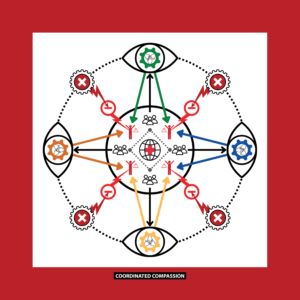

To prevent the abuse of police power for private gain at the expense of delivering justice in society, relationship realignments are required. These realignments should address governance gaps that allow police corruption.
👮🏻♀️🚨👮🏻🚨
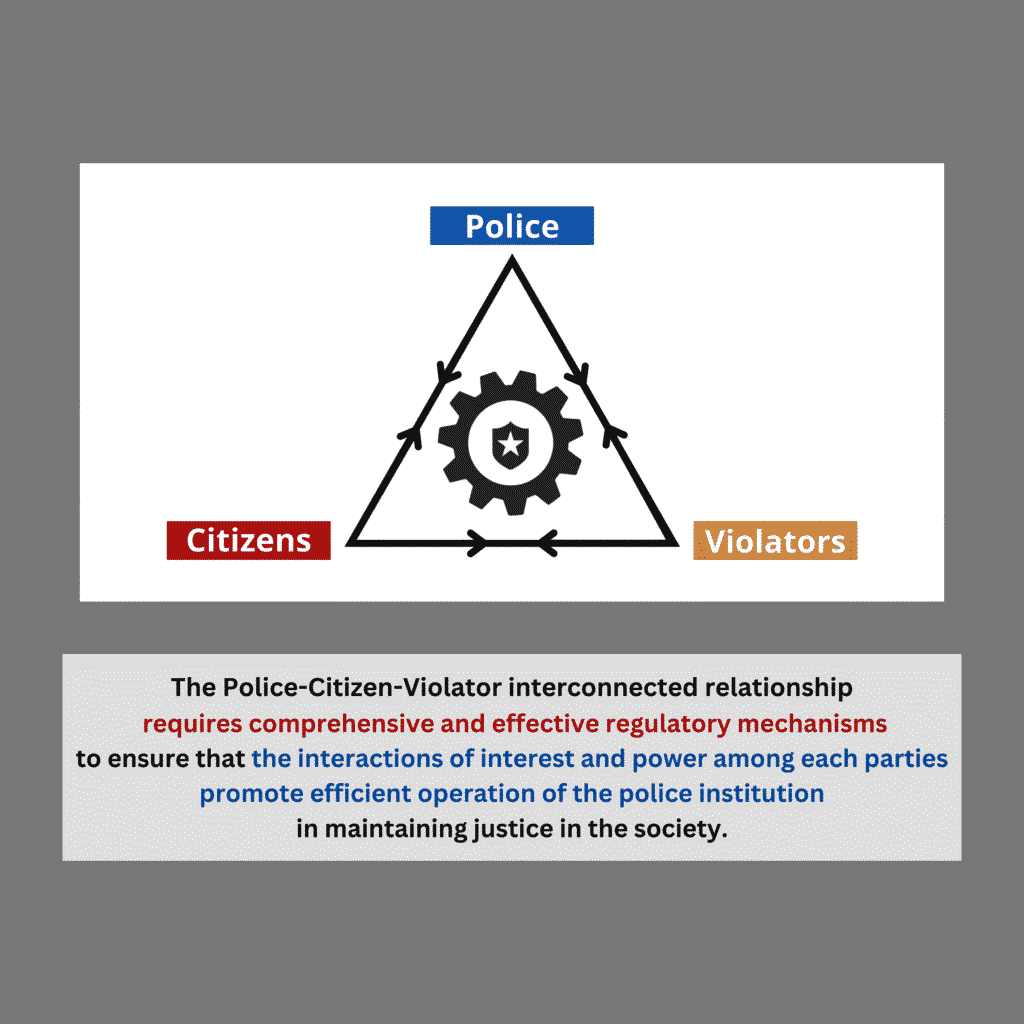
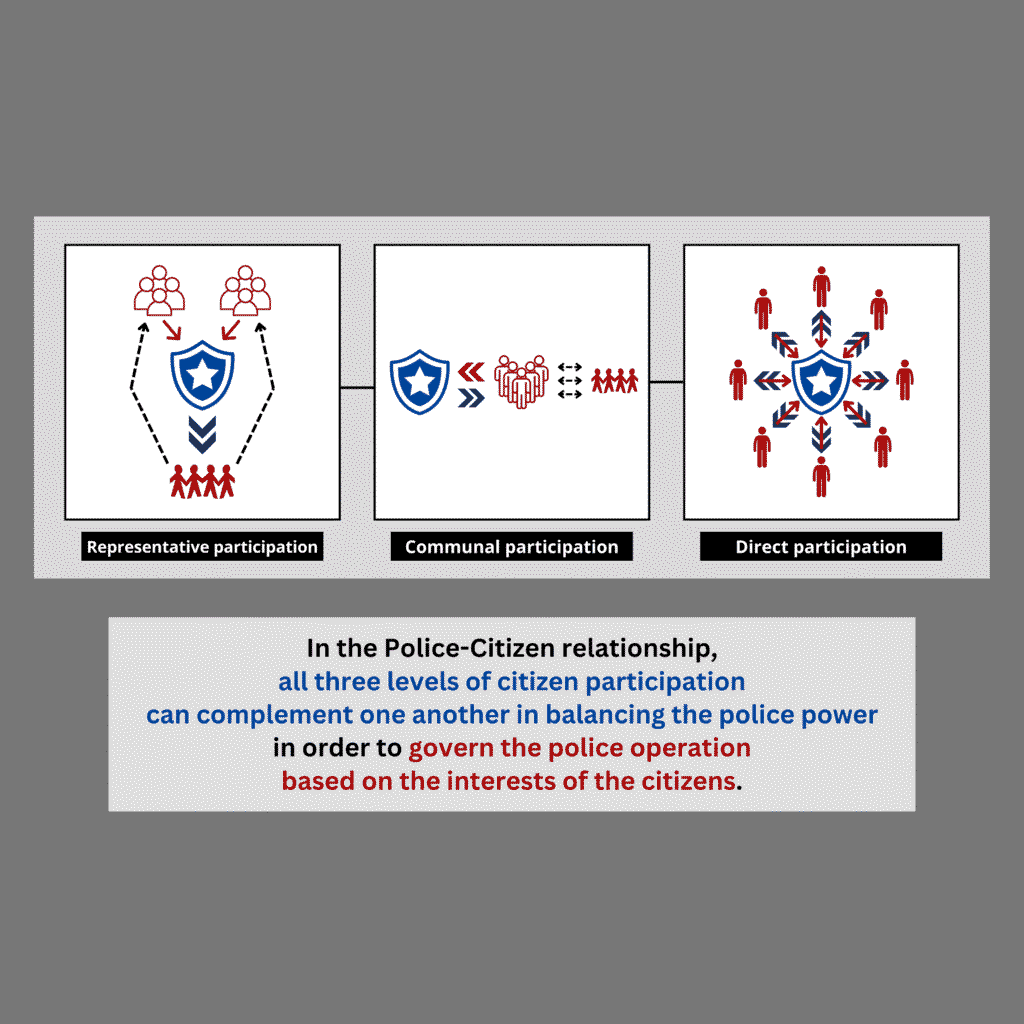
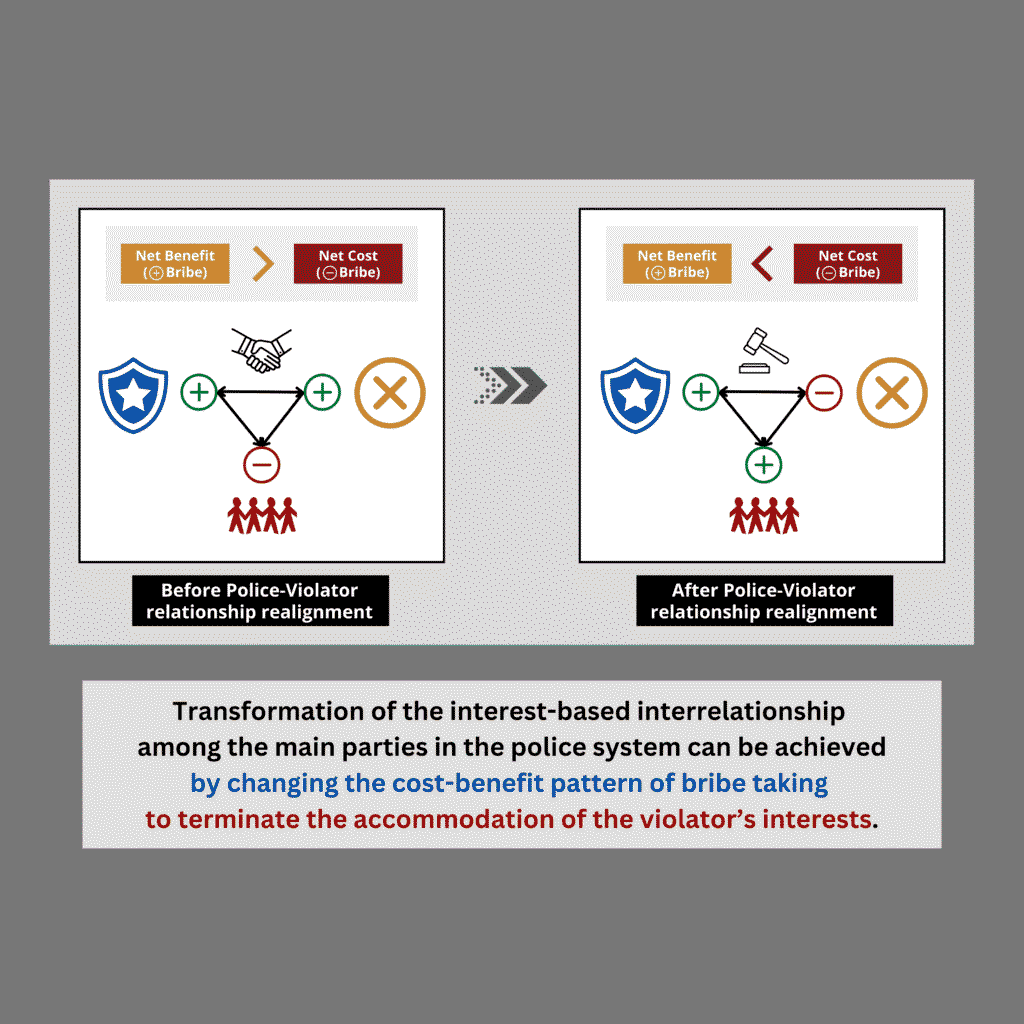
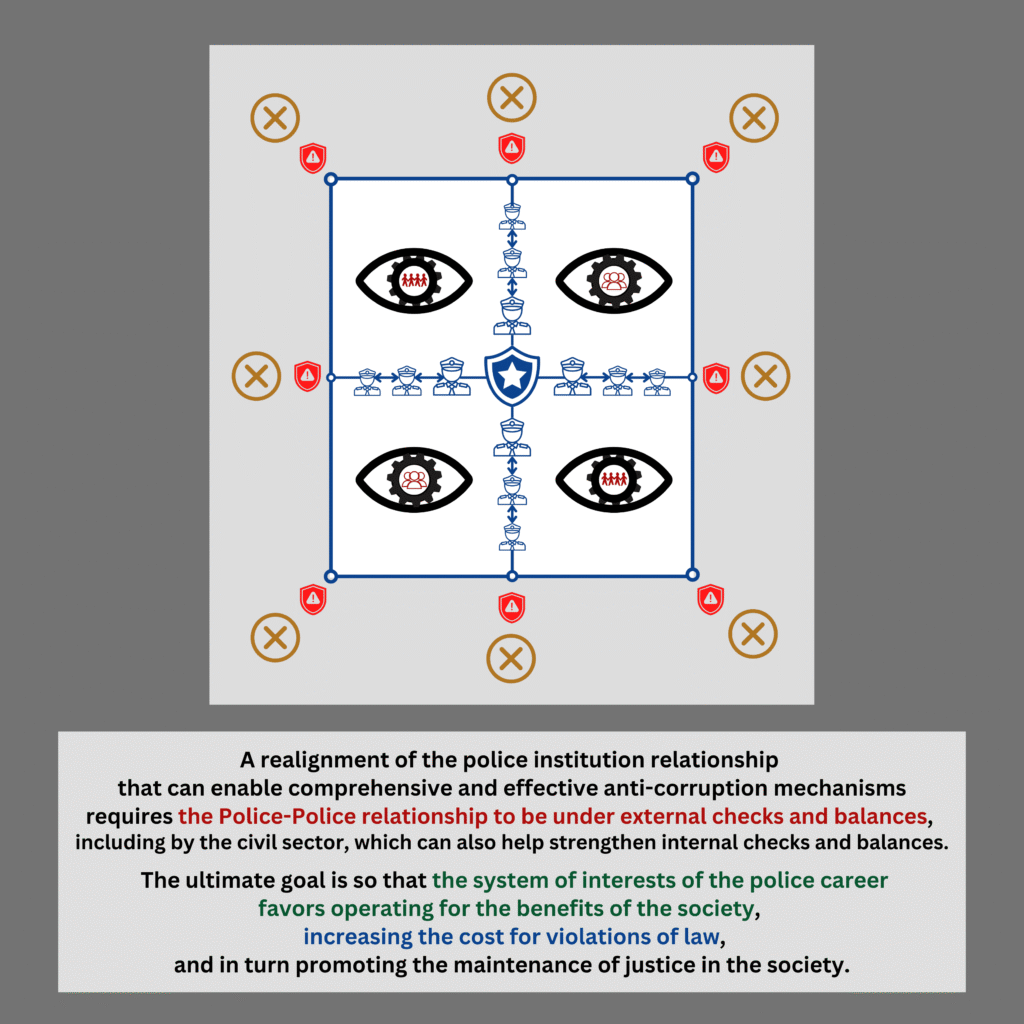
From the Wizdomkrafted Collection, a conceptual framework on the police institution serves as the foundation for designing approaches to improve the Thai police system in this direction. It proposes relationship realignments in three dimensions:
1️⃣ POLICE-CITIZEN RELATIONSHIP
2️⃣ POLICE-VIOLATOR RELATIONSHIP
3️⃣ POLICE-POLICE RELATIONSHIP (within the police organization)
⭐️ The economic cost-benefit principle can be incorporated into designing incentive mechanisms in each dimension of the police institution’s relationships, all three of which need to be tackled in coordination to comprehensively and effectively prevent corruption.
⭐️ This primarily involves increasing benefits for the ethical performance of duty and elevating costs for the abuse of police power, aiming to pave the way for the development of the efficient and fair functioning of the police system.
Adaptation Notice & Acknowledgments:
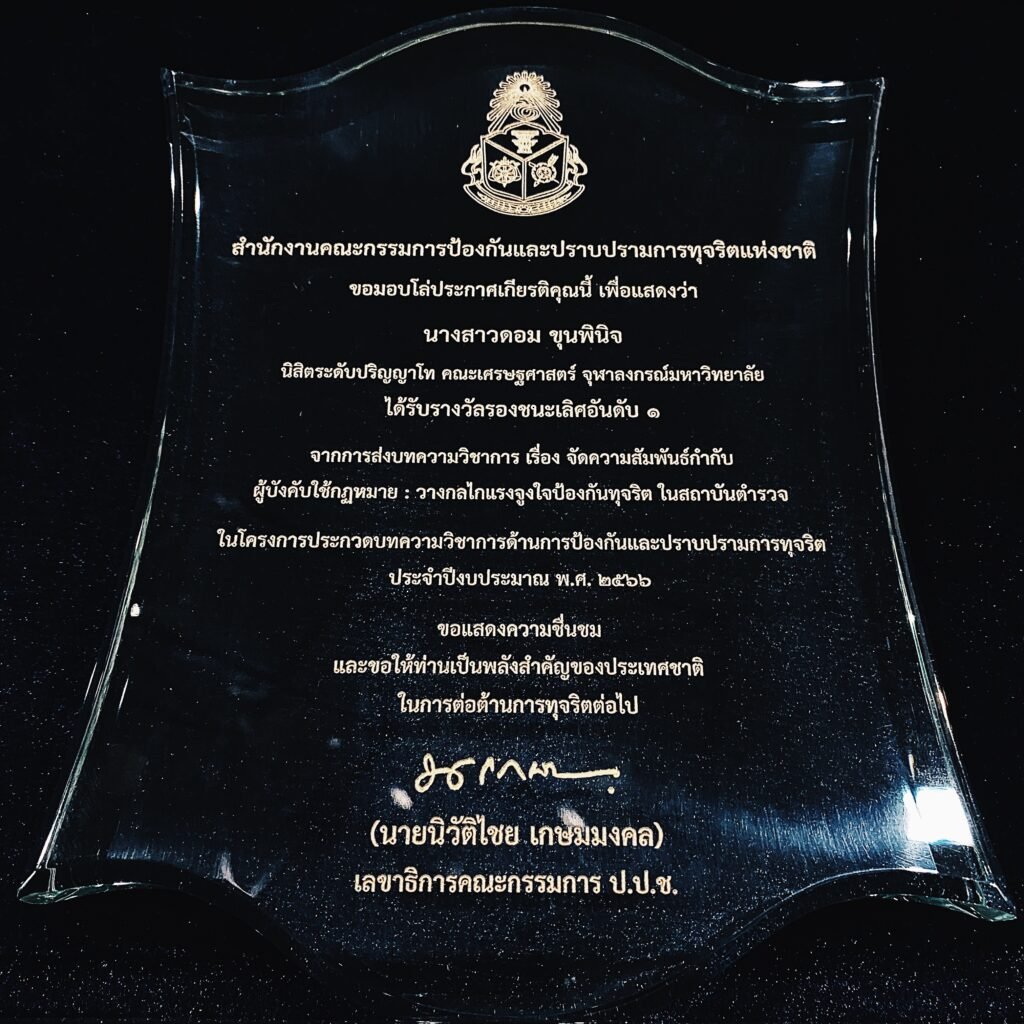
My article on this topic won 1st place with the 1st runner-up prize🏅from the Annual Academic Paper Contest 2023 (Graduate Students Category) held by the National Anti-Corruption Commission of Thailand. The full text in Thai of the published paper can be accessed here.
The work was submitted in completion of the course Economics of Anti-Corruption (Academic Year 2021), offered as part of the MA Program in Political Economy at the Faculty of Economics, Chulalongkorn University. The course was taught by Asst. Prof. Torplus Yomnak, PhD, whose valuable advice has helped improve the article, which also builds on the course’s focus on fostering governance, an alignment of relationships between different units to make sure they work harmoniously to fill the gaps that may allow corruption.
Find on: