⚡️ 1. Introduction
The question of whether humans possess free will in their lives or are instead determined by deterministic forces remains a subject of philosophical debate.1 Nevertheless, from an empirical perspective as perceived by us as individuals constituting human society, it is evident that human lives vary widely from the very first day of existence to the last. The conditions into which one is born serve as a crucial determinant shaping the trajectory of one’s entire life. Consequently, decisions made under human agency are themselves constrained by the conditions of birth. In the present world, where inequality persists from the smallest social units to the scale of humanity as a whole, such variation can reach unimaginable extremes. Some individuals possess abundant resources across multiple dimensions throughout their lives, while others are unable to access even the most basic means necessary for survival and self-development.2 Although coexistence within society should, in principle, lead to the development of mechanisms that manage resources and social interaction in ways that enable all individuals to achieve a good quality of life, such mechanisms have yet to emerge successfully and broadly across human societies. As a result, the creation of human life in many cases remains vulnerable to trajectories characterized by persistently poor quality.
The study of economics of law invites reflection on the design of regulatory mechanisms for human society, within which individuals continuously affect one another. Such mechanisms aim to shape behavior and responsibility through the structuring of rules governing coexistence. In this regard, they offer potential solutions to a fundamental issue at the level of human life itself: the creation of new life under conditions in which the individual whose life is created has no agency, yet must depend entirely on decisions made by those who possess the physical capacity to reproduce. The design of such mechanisms through institutional arrangements at the societal level can maximize the likelihood that new members born into a society will be able to live lives of stable and high quality. This, in turn, contributes to the formation of high-quality human capital capable of collectively advancing society, creating a continuous cycle of development and ensuring the possibility of good lives for future generations. Achieving this requires a central societal mechanism that enforces responsibility in life creation at both the societal level and the individual level of those who reproduce. The body of knowledge within economics of law can be applied to the design of such mechanisms.
Grounded in the ethical principle of ensuring the creation of human life with quality, in order to address the intergenerational transmission of poor life conditions, this paper examines potential solutions through a law-and-economics framework at two levels: first, societal responsibility in managing resources to ensure basic life quality and opportunities for development throughout life; and second, individual responsibility of those who reproduce in fostering the development of high-quality human beings. The aim is to propose a central societal mechanism that facilitates the development of human potential within a sustainable cycle of progress.
2. Responsibility in Life Creation
By emphasizing responsibility while taking into account incentive structures both before and after legal enforcement, and by addressing the impacts that individuals impose upon one another through proportional allocation of such impacts, the law-and-economics framework can be effectively applied to analyze mechanisms for regulating responsibility in life creation.
The foundational concept underlying the design of such mechanisms lies in the author’s vision of the appropriate role of the state in addressing the issue of life creation. The state should function both as a mechanism for distributing resources and as a regulatory institution ensuring that members of society are prepared to pursue full development of their potential. At the same time, it must establish mechanisms governing life creation in order to generate incentives for individuals who reproduce to promote the development of the children they bring into existence. This concept is captured in the notion of the human development cycle (Figure 1), which builds upon Maslow’s hierarchy of needs3. While Maslow’s model presents human needs in ascending order from basic survival to more complex forms of fulfillment, the present framework emphasizes that individuals can only meaningfully design and pursue their life paths once their foundational needs are secured and they are supported in developing their full potential. Such outcomes depend upon the allocation of responsibility across both societal and individual levels, mediated by the state as a central mechanism.
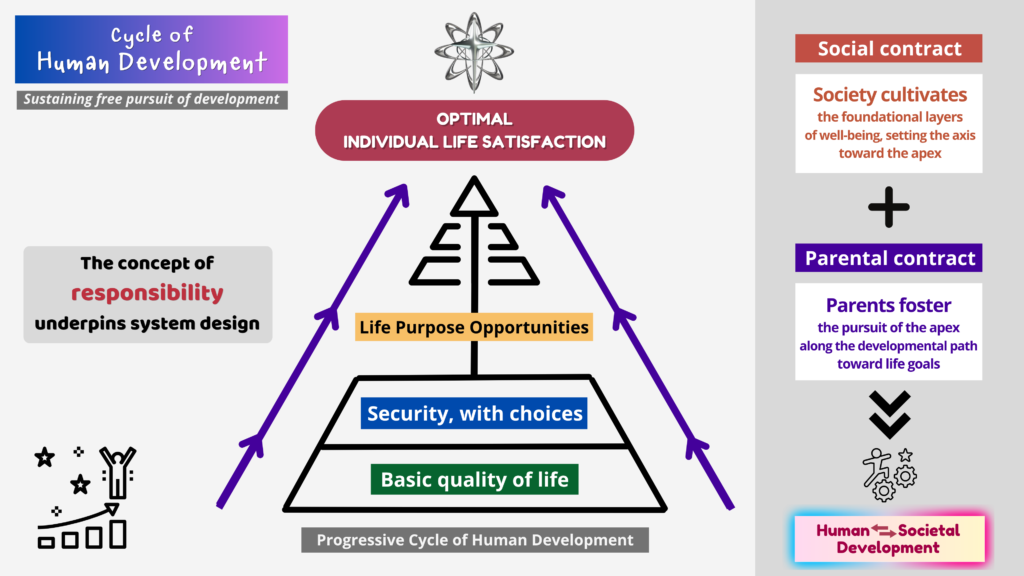
Figure 1: The Cycle of Human Development Diagram
This framework represents an ideal that requires coordination at the societal level to be realized, or at least approximated. In this regard, economics of law provides valuable tools for designing mechanisms that enable such coordination, particularly through the structuring of responsibility across societal and individual levels using legal institutions as central mechanism4. The analysis proceeds through a contractual perspective emphasizing responsibility, beginning with 1) societal responsibility in providing foundational support, followed by 2) individual responsibility in enabling the progression toward full human potential.
2.1 Societal Responsibility: Distributing Resources and Establishing Rules to Ensure Members’ Lifelong Quality of Life
Supporting a basic quality of life, promoting opportunities for development, preventing mutual rights violations, and safeguarding lifelong well-being.
While the study of economics of law highlights the role of contract law in governing responsibilities arising from consensual interpersonal relationships—a topic discussed in the following section—examining such relationships at the societal level through the lens of economics of law invites reflection on the political philosophical concepts of the social contract and contractarianism5, both of which emphasize the agreements that enable humans to coexist in society. These perspectives hold that individuals must relinquish certain freedoms in exchange for the welfare of living together within a community. From the standpoint of societal responsibility for the creation of life, the social contract can be reconceptualized through the framework of economics of law as a governance mechanism designed to ensure lifelong quality of life for new members of society. This mechanism, it is argued here, must encompass two essential dimensions:
1) The distribution of societal resources: to support a basic quality of life and promote opportunities for individual development.
2) The establishment of societal rules: to prevent members from violating one another’s rights and to provide lifelong protection of their well-being.
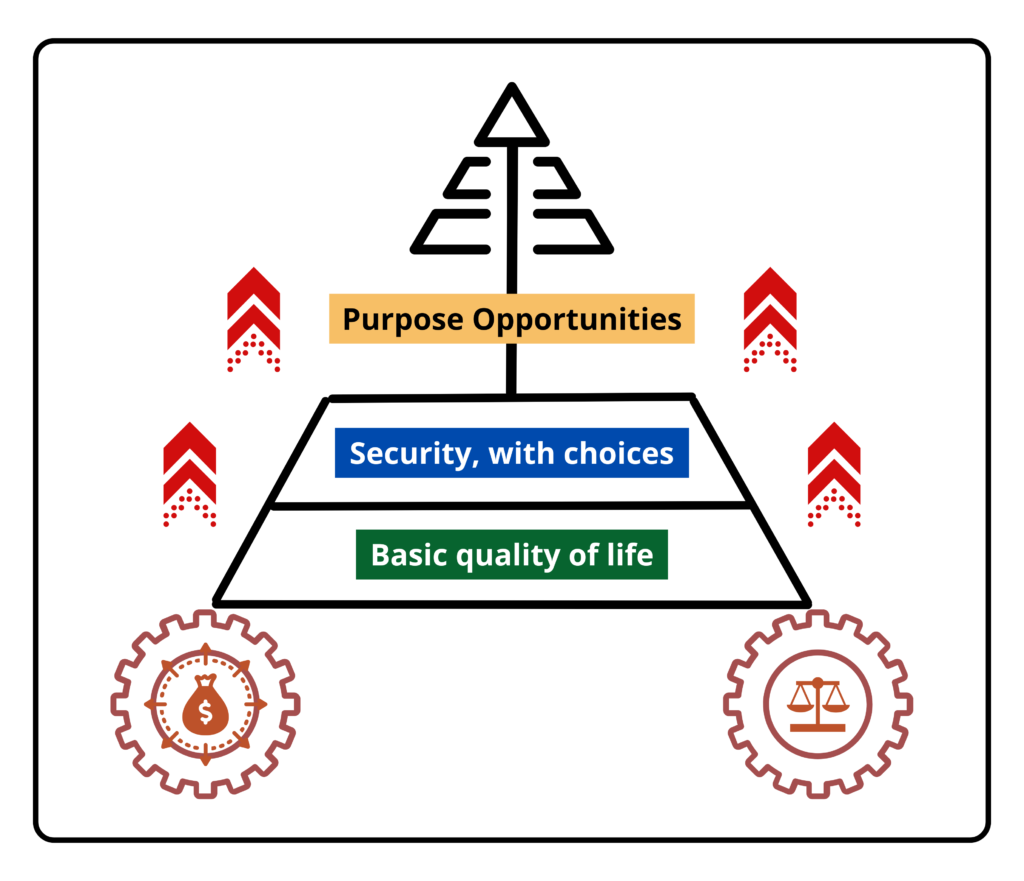
Figure 2: A framework of the social contract based on the concept of societal responsibility in supporting new life
to promote quality of life, security, and opportunities for development
through the distribution of societal resources and the establishment of societal rules.
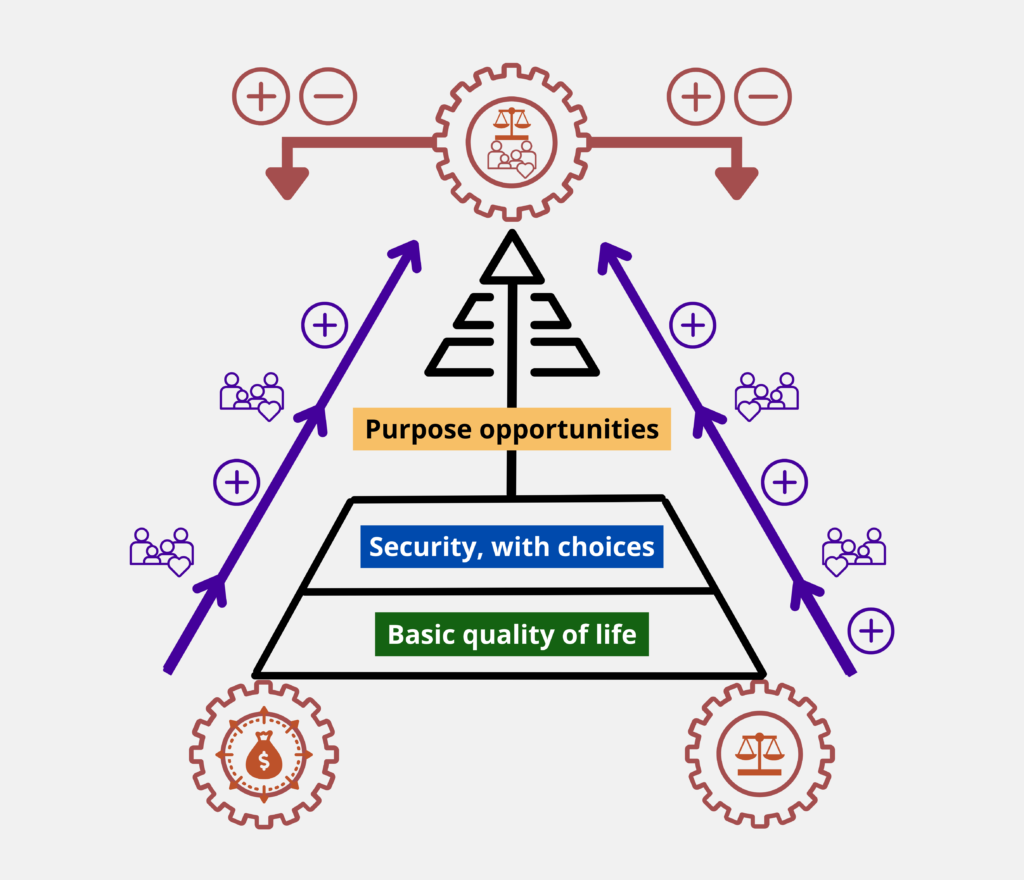
Together, these two dimensions constitute the two foundational pillars of the Human Development Cycle, establishing the axis upon which each member of society can pursue the highest level of human development. Collectively, they form a new social contract for that society (see Figure 2). They also provide the essential foundation for constructing the incentive mechanisms that govern individual responsibility, which will be discussed in the subsequent section. Nevertheless, for the state to legitimately perform such functions, it must first obtain the approval of society as a whole. Accordingly, the economics of law framework employed here examines not only the role of the state, but also the process through which social consensus is achieved to authorize the state to undertake these responsibilities, by aligning the interests of individual members on the basis of their shared collective interests, as discussed below.
2.1.1 Distributing Societal Resources: Supporting a Basic Quality of Life and Promoting Opportunities for Human Development
First, living together within a state makes it possible to establish mechanisms for allocating societal resources in ways that reduce the concentration of resources among a limited group by redistributing them across society in the form of provisions that support a basic quality of life. The principles and practices underlying such systems of resource distribution are reflected in the concept of the welfare state, although their specific institutional designs differ across countries.6
In this regard, if a welfare state is designed on the basis of a social contract that emphasizes society’s collective responsibility for creating conditions that enable every member to achieve their fullest potential throughout life—particularly by prioritizing welfare provisions that support new life—it can establish a system of resource allocation that lays the foundation of the Human Development Cycle. Such a system would provide welfare arrangements that promote fundamental well-being from birth, both by ensuring a good physical quality of life and long-term security, while simultaneously establishing the axis for lifelong human development through a high-quality education system that the state provides as a universal foundational option for all members of society. Such an education system should cultivate critical thinking and other essential skills through an open and comprehensive curriculum, while also ensuring the freedom to pursue specialized knowledge and skills according to each individual’s chosen path.
In this way, a well-designed welfare state reflects societal responsibility that operates in harmony with the individual responsibility for creating new life, which will be discussed in the following section.
However, in serving this function, the state necessarily acts as a mechanism for the redistribution of societal resources. Such redistribution must operate comprehensively—from establishing a welfare system that pursues the objectives outlined above, to reclaiming concentrated resources through mechanisms such as a progressive tax system, and ultimately redistributing those resources through the institutional framework in place, as illustrated in Figure 37. Relative to the pre-redistribution baseline, the immediate implementation of such a mechanism inevitably produces unequal distributions of benefits and burdens across members of society. Consequently, some members may oppose the state’s role as a resource redistribution mechanism designed to enable all members to attain their fullest potential. It is therefore necessary to reconcile competing interests and cultivate social consensus. Only then can this normative proposal be realized in practice as the social contract of that society.
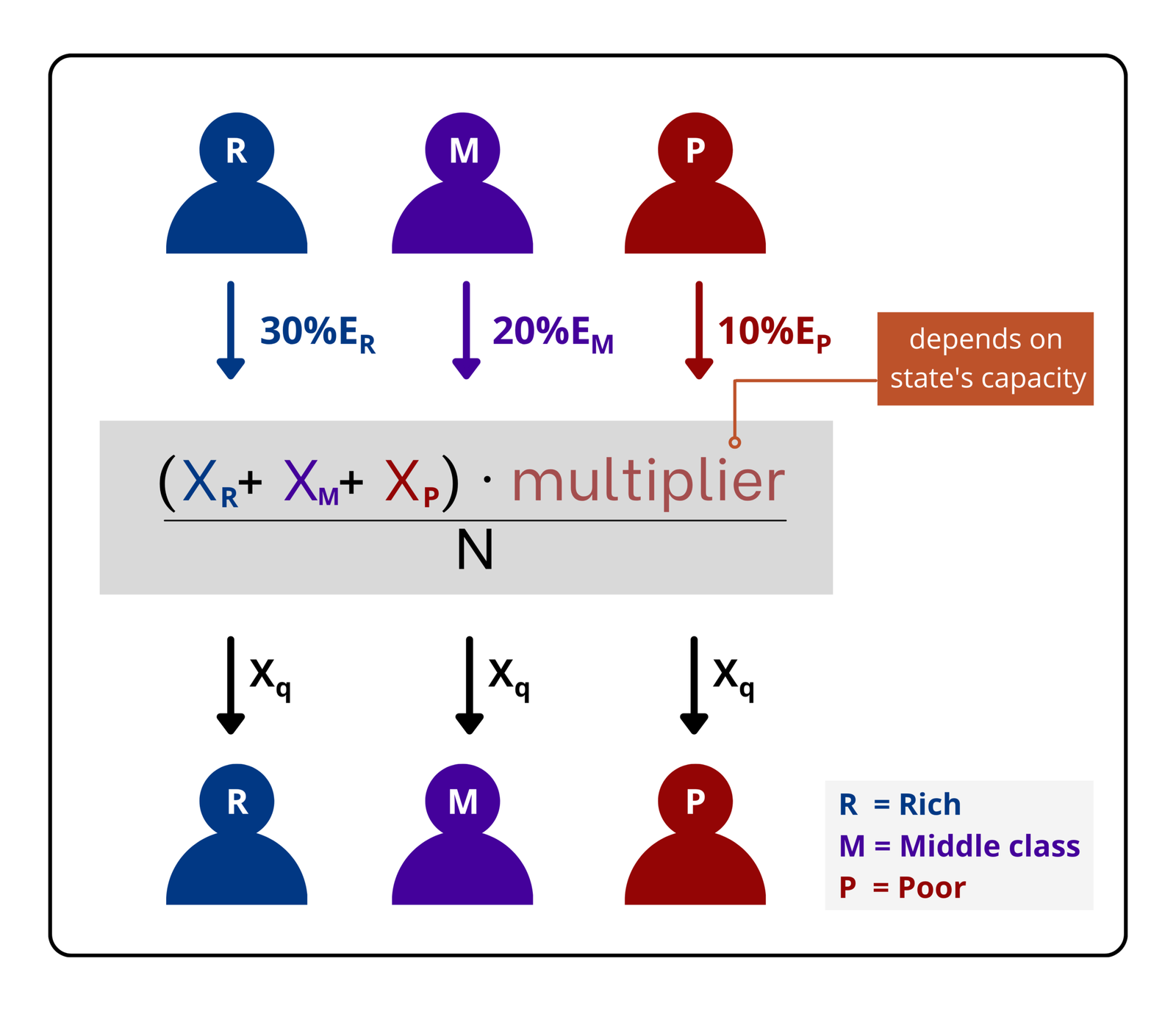
Figure 3: Redistribution of Resources Under the Welfare State Model.
Contributions increase progressively in proportion to individuals’ initial resource endowments.
Because this issue affects the decision-making of different groups within society, which in turn determines the success of achieving social consensus, it is necessary to understand the interests of each group involved in the implementation of redistribution mechanisms. In this regard, the concept of game theory, as introduced in the Economics of Law course, can be applied to develop a clearer understanding that may help resolve preference misalignments among members of society, thereby facilitating the successful establishment of a new social contract system.
For instance, the analysis presented here, as illustrated in Figure 4, simulates the outcomes of decision-making regarding the adoption of redistribution mechanisms across three levels: no implementation at all, a limited welfare or relief-based system with low coverage, and a comprehensive welfare state consistent with the Human Development Cycle framework. For clarity, this analysis categorizes societal members into two main groups: the wealthy and the poor. Moreover, given that real-world political and economic systems are influenced by multiple factors shaping changes in resource allocation depending on the existing status quo of each system, this discussion focuses specifically on the case in which both groups are assumed to agree in principle on adopting a redistribution mechanism. This assumption is made to demonstrate that, when considering the immediate post-implementation changes in benefits, the higher-wealth group will perceive greater levels of redistribution as resulting in greater losses for themselves. This perception, in turn, leads to resistance against the adoption of such mechanisms and becomes an obstacle to the state’s ability to fulfill its role under the Human Development Cycle framework. Accordingly, this constitutes a critical issue that must be addressed directly and effectively.
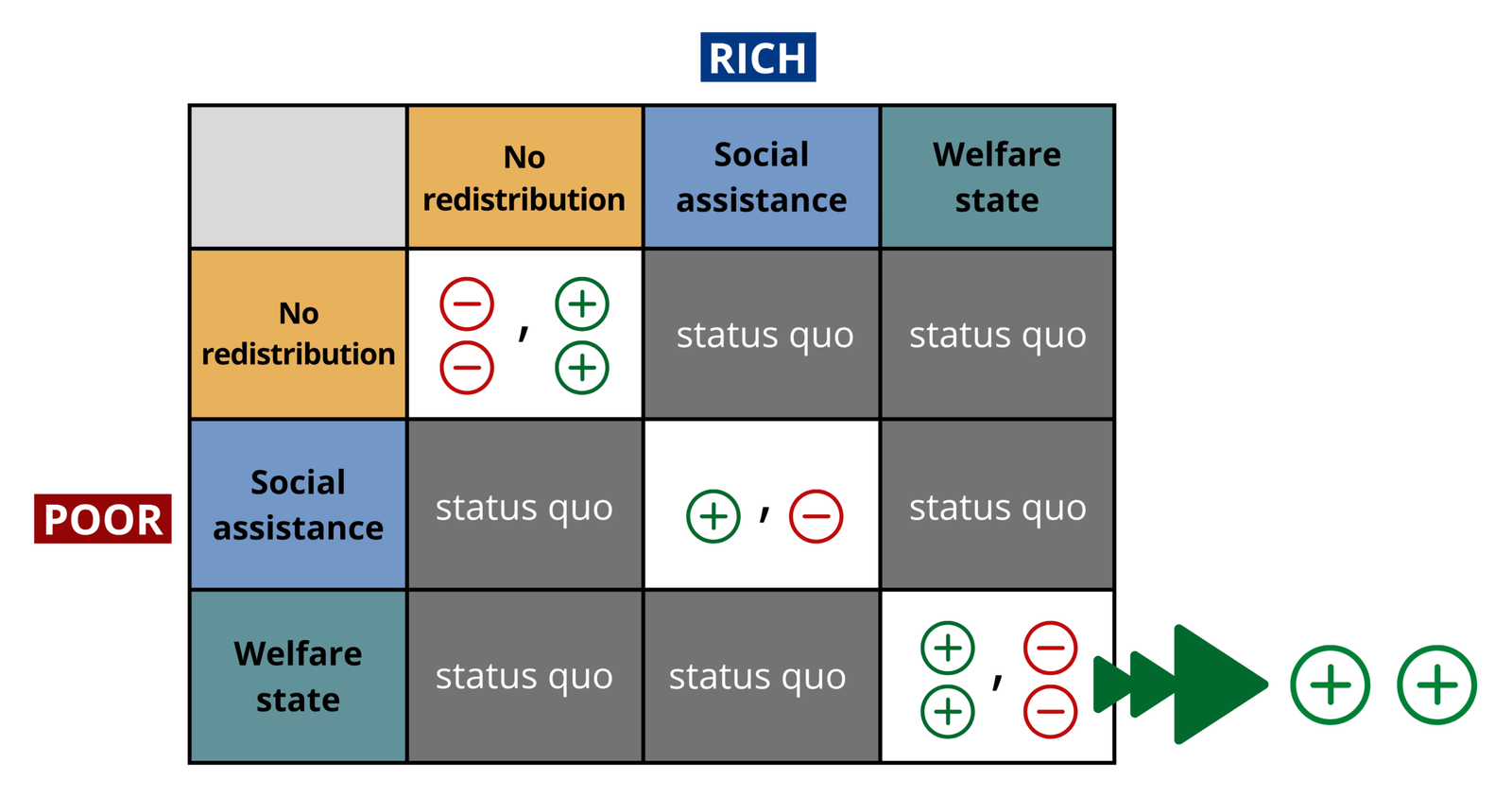
Figure 4: A table illustrating short-term and long-term changes in benefits resulting from decisions to adopt different levels of redistribution mechanisms, comparing outcomes between the wealthy and the poor in a stylized case of aligned decision-making, which ultimately leads to actual implementation.
However, the pattern of gains and losses resulting from the implementation of redistribution mechanisms described above reflects only the short-term effects immediately following implementation. In the long run, the adoption of redistribution mechanisms aligned with the principles of the Human Development Cycle can generate sustainable benefits for society as a whole. Therefore, in order to address the misalignment of interests arising from short-term perspectives, it is necessary to present the long-term benefits to all members of society in a concrete and economically grounded manner. This requires the application of insights from behavioral economics to communicate such outcomes in ways that are more intuitive, visually accessible, and engaging.
In summary, the analysis of social consensus formation regarding the state’s role as a mechanism for redistribution, as approached through game theory in this discussion, highlights the contrast between short-term and long-term perspectives on changes in benefits. It also underscores the necessity of enabling members of society to perceive long-term gains more clearly. This understanding provides a targeted approach to designing interventions that foster social consensus by shaping perceptions and expanding awareness of the collective benefits derived from a restructured allocation of societal resources—one that supports both individual development and sustainable societal progress.
In conclusion, the application of economics of law framework to the concept of societal responsibility in establishing foundational conditions for lifelong human potential development serves two key purposes. First, it informs the design of such foundations in the form of redistribution mechanisms, which in turn become the basis for constructing incentive structures governing individual responsibility, as will be discussed in the following section. Second, it facilitates an understanding of how to reconcile the interests of different societal groups whose perceptions of benefit differ due to variations in initial resource endowments. Ultimately, this framework aims to maximize the feasibility of implementing a restructured system of societal resource allocation in accordance with the Human Development Cycle, which will operate in conjunction with the establishment of societal rules discussed in the subsequent section.
2.1.2 Establishing Societal Rules: Regulating Non-Violation and Safeguarding Lifelong Well-Being
In order to fully establish the foundational layer that creates an environment conducive to the axis of opportunities for members to achieve their full developmental potential in accordance with the Human Development Cycle framework, it is necessary to allocate societal rules in parallel with the allocation of resources. Without such rules, even if resources are adequately provided, members of society may still be obstructed by harm or interference arising from negative actions of others within the community. Therefore, societal rules must be designed to minimize the likelihood of interpersonal violations among members of society to the greatest possible extent. This allocation of rules must consist of a carefully structured legal system governing tortious conduct, combined with the reinforcement of a culture of mutual respect among members of society. Only under such conditions can individuals be effectively protected from various forms of violation that would otherwise undermine quality of life, reduce security, and obstruct the realization of full developmental potential. If successfully implemented, such a system would significantly increase the likelihood that members of society can achieve maximum lifelong well-being and security.
The study of economics of law provides a highly valuable framework for the careful design of societal rule-enforcement mechanisms. It emphasizes, first, (1) the creation of mechanisms that are aligned with the magnitude of impacts generated by different actions, while simultaneously functioning as incentive structures. This implies that such mechanisms must also incorporate (2) a design that takes into account their effects on the incentives of societal members, both prior to and after the implementation of the mechanism, particularly in terms of how they influence decision-making regarding specific actions. In addition, equal importance must be given to (3) the closure of all potential loopholes in practical enforcement arising from relevant institutional arrangements. These key components of regulatory design are central themes in the study of economics of law, as highlighted both in theoretical principles and through a variety of case studies within the course.
Within the present framework, which examines the ethics of human procreation through a law-and-economics perspective, the section on societal rule allocation discusses the components of governance mechanisms that establish an enabling environment for the creation of new life at the societal level in a general sense. This will be followed, in the subsequent section on individual responsibility, by a more detailed discussion of how such mechanisms directly govern and support the emergence and development of new life, representing a more specific application of economics-of-law insights.
–Compensating Harm in Proportion to the Act–
To create a societal environment that is conducive to life while minimizing the likelihood that individuals will encounter obstacles arising from harm inflicted by others, the legal system, as a mechanism for governing societal rules, must first be designed to address harmful conduct across the full spectrum of severity—from minor to serious—and to apply across all forms of social interaction. Moreover, such a mechanism must impose remedies that are proportionate to the magnitude of the harm caused.
From the perspective of the economics of law, every tortious act involves an interaction between benefits and costs. Specifically, the tortfeasor derives some form of benefit from the wrongful act, while the injured party bears the costs resulting from that conduct. In economic terms, this constitutes a problem of negative externalities. Accordingly, whenever tortious conduct occurs, a mechanism must exist to remedy the negative externality by requiring the wrongdoer to bear costs proportionate to the actual harm inflicted. In other words, the external costs imposed on others should be shifted back onto the individual who benefited from the wrongful act—thereby internalizing the externality (as illustrated in Figure 5).
The study of economics of law demonstrates that a legal system capable of governing interactions among members of society efficiently must treat the correction of negative externalities in proportion to the actual harm caused as a fundamental principle to be consistently and rigorously enforced. No form of violation, however seemingly minor, should be overlooked. Only under such a system can members of society live without bearing the costs of harms imposed by others, which inevitably impede, to varying degrees, the realization of their full developmental potential.
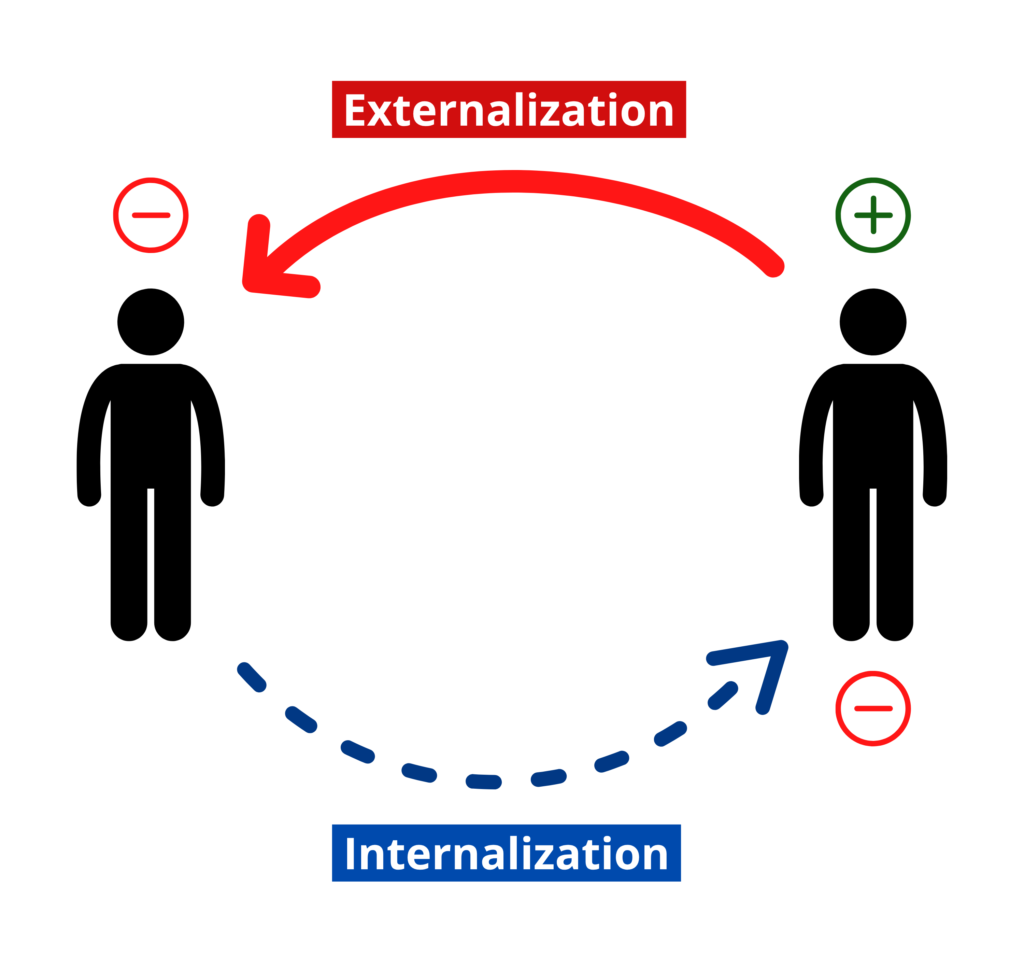
Figure 5: A diagram illustrating the direction of externalities and the process of internalization, whereby the actor is required to bear the costs imposed on others by their own actions.
–Designing Multi-Layered Incentive Regulation with Precision–
Second, the economics of law emphasizes the role of a society’s system of rules as a mechanism for regulating the incentives that shape the behavior of its members. It recognizes that the enforcement of any legal rule—including the imposition of sanctions and the awarding of compensation—becomes a social norm that influences individuals’ incentives when making decisions about related conduct. Consequently, legal rules, together with the standards governing sanctions and compensation, must be designed in a graduated manner that not only reflects the severity of the harm caused, as discussed above, but also takes into account the possibility that they may unintentionally distort the incentives of potential wrongdoers.
A frequently debated example concerns proposals to make rape punishable by the death penalty. One objection is that equating the punishment for rape with that for murder may alter offenders’ incentives by encouraging them to kill their victims in order to eliminate witnesses and reduce the likelihood of apprehension, since the legal consequences of rape alone would be no less severe than those of rape followed by murder. To prevent such harmful distortions of incentives, legal mechanisms must therefore be designed with these possibilities in mind.
At the same time, care must be taken to ensure that less severe wrongdoing is not treated too leniently merely because more egregious offenses exist. For example, given that rape constitutes a grave violation, its punishment should not be artificially limited simply because rape followed by murder is regarded as even more serious. Rather, sanctions should be calibrated across successive levels of wrongdoing so that each offense receives a punishment proportionate to its severity.
By the same reasoning, this perspective may also be applied to critique the use of the death penalty more generally. For some offenders, death may not be more feared than living with the consequences of a severe criminal sentence. In such cases, the existence of capital punishment may itself distort offenders’ incentives and consequently fail to function as an effective deterrent against the most serious offenses. Accordingly, considering the incentive effects of legal rules in a broader sense—rather than focusing solely on imposing penalties to discourage misconduct—enables the design of more effective mechanisms for governing societal rules and reducing, to the greatest extent possible, the likelihood that members of society will be subjected to various forms of harm.
–Closing Institutional Loopholes in the Administration and Enforcement of Justice–
Third, for the legal system to function fully as both a mechanism for internalizing externalities and a mechanism for regulating incentives and behavior, the institutional design of the justice system at the operational level must be directed toward eliminating potential loopholes and adapting to changing social circumstances whenever necessary. Even where legal rules are well designed in principle, the absence of effective institutional mechanisms to support their implementation may prevent the legal system from functioning as a robust framework for governing societal rules.
The economics of law provides valuable insights into this issue, particularly by emphasizing the relationship between the costs and benefits of using legal mechanisms to address different forms of wrongdoing. Accordingly, institutions within the justice system should provide legal protection that is sufficiently accessible at low cost while serving all members of society impartially and without discrimination. At the same time, however, if the cost of accessing justice is made excessively low, individuals may overutilize the system, thereby imposing unnecessary costs on society as a whole. Institutional design must therefore account for this possibility as well, for example by establishing screening mechanisms and incorporating technological tools to reduce administrative costs as much as possible while preserving effective legal protection for members of society.
Conversely, in some circumstances, even when access costs are sufficiently low, the expected benefits of pursuing legal action may still be inadequate. This is particularly true when wealthy wrongdoers possess sufficient financial resources to negotiate their way out of legal proceedings, whether by privately settling with victims or by influencing law enforcement officials within systems that contain opportunities for corruption. Such situations reinforce inequalities within the justice system that stem from broader inequalities—especially economic inequality—and indicate the need for legal institutions specifically designed to eliminate these disparities. Examples include calibrating penalties and compensation in proportion to the offender’s wealth, as well as ensuring that institutions throughout the justice system are structured to eliminate opportunities for corruption among public officials.
Furthermore, even where institutional design is rigorous both in principle and in practice, human behavior remains inherently unpredictable. As a result, various forms of wrongdoing may continue to occur despite the existence of a well-designed legal system. For instance, some individuals may repeatedly commit violations even when proportionate compensation and sanctions are consistently imposed. It is therefore necessary to establish additional mechanisms to address such cases, such as procedures for separating individuals who demonstrate an inability to coexist with others without repeatedly violating their rights from the broader community.
The study of economics of law in this course highlights these potential implementation-level vulnerabilities in considerable detail. Such considerations cannot be overlooked when designing legal institutions capable of governing societal rules effectively, fairly, and robustly in practice.
–Fostering a Culture of Mutual Respect–
Finally, beyond the legal system—which serves as the formal institution for regulating incentives before harmful conduct occurs and for internalizing externalities after it occurs—society also requires complementary informal institutions that operate in a different but mutually reinforcing direction. These institutions should cultivate and promote a culture and set of values centered on respect for others, together with a societal norm of rejecting violations of the rights of fellow members. The objective is to establish these principles as the prevailing social ethos and mode of conduct, thereby reducing the likelihood of exploitation and harm through both individuals’ internalized values, shaped by socialization, and the incentives created by informal social sanctions operating alongside formal legal mechanisms. Ultimately, this can be achieved by enabling as many members of society as possible to recognize the collective benefits that arise when the majority are able to coexist peacefully and sustainably.
📍In conclusion, the economics of law provides important insights into the design of mechanisms for governing societal rules by examining how costs and benefits shape incentives. These insights apply at both the level of legal principles and institutional implementation, generating a framework for identifying and eliminating weaknesses within the justice system in order to reduce the likelihood of rights violations. Such a framework also strengthens society’s capacity to protect its members from harms that undermine quality of life and obstruct the realization of their full developmental potential. It can be applied broadly across all forms of legal protection, while placing particular emphasis on safeguarding new members of society during stages of life in which their capacity for self-protection remains limited. Both formal and informal institutions can therefore play a particularly important role in protecting new life, with such protection extending throughout the lifespan.
❣️Summary of Section 2.1: Societal Responsibility in Creating Life
The economics of law provides an exceptionally valuable framework for applying perspectives on costs, benefits, and incentives to the design of a new social contract capable of creating a societal environment that supports both a high quality of life and the full development of every member’s potential from birth to death, in accordance with the Human Development Cycle framework. It demonstrates that, to effectively support the creation of new life within such an environment, it is necessary to establish a range of institutions founded upon the recognition of society’s shared responsibility for supporting new members who will, in turn, contribute to the continued development of society across successive generations.
Such a vision can be realized through cooperation among members of society based on a shared recognition of the collective benefits generated by allocating societal resources and establishing societal rules in ways that promote a high quality of life and equitable opportunities for individual development throughout the entire life cycle. This, in turn, enables the continuous advancement of society as a whole. Only such a society is worthy of the birth of new life—a society in which individuals are not condemned to lives of poor quality and unrealized potential because of an environment that fails to support their development. This societal foundation, in turn, provides the basis for defining the responsibilities of those who choose to create new life, which will be examined in the following section on individual responsibility in creating life.
2.2 Individual Responsibility: The Duties of Those Who Bring New Life into Existence Through Reproduction
Incentive Mechanisms for Providing a High-Quality Life and Passing On Opportunities for the Realization of Full Human Potential
Debates concerning reproductive rights have generally focused on the rights of individuals to reproduce in relation to the exercise of societal authority through state mechanisms such as the law. These debates encompass issues including state population control policies8, gender roles from feminist perspectives9, and even the exclusion of marginalized groups or individuals with histories of child abuse from reproduction based on concerns about parenting capacity, yet these issues are still primarily examined through the framework of the reproductive rights of prospective parents10. In other words, questions surrounding reproduction have largely been approached from the standpoint of procreative rights, procreative liberty, or procreative freedom.
By contrast, the perspective of procreative ethics, which emphasizes the right of new life to be born into a life of adequate quality, has received considerably less attention. Although there has been some scholarship on procreative ethics and parental ethics11, as well as on parental responsibility reflected in relevant legal frameworks12, and even more radical perspectives such as anti-natalism, which regards bringing into existence a life of poor quality as morally wrong13, there remains little discussion of how responsibility should be allocated to those who reproduce in conjunction with the rights of the new life they create through the design of governance mechanisms capable of regulating reproductive decisions in an effective and systematic manner.
It is precisely in this respect that the economics of law offers significant value. By applying perspectives on costs, benefits, and incentives to the design of governance mechanisms, it provides a framework centered on the responsibility of those who reproduce to bring new life into existence while safeguarding the right of that new life to be born with a high quality of life and meaningful opportunities to realize its full potential. The following discussion therefore examines the design of such mechanisms through insights drawn from the study of economics of law, organizing the analysis around two dimensions of individual responsibility:
1) The Allocation of Resource Provision: Upholding the duties of parents to provide their children with a high-quality life and to promote opportunities for self-development that enable them to realize their fullest potential.
2) Strengthening Relationships Within the Family Institution: Creating a nurturing family environment in which new life is welcomed into conditions of security, warmth, and comprehensive support for both physical and psychological development.
The overarching objective is to reconceptualize the parent–child relationship as a contract of responsibility owed by those who bring a new life into existence to the life they create.14 This conception draws upon the contractual framework that emphasizes responsibility for preventing failures in agreement formation. In the relationship between the procreator and the newly created life, the “agreement” is necessarily unilateral: only the procreator possesses the agency to make the decision, and only the procreator has the capacity to prevent that decision from occurring. Accordingly, those who choose to bring new life into existence should bear full responsibility toward the life they create (as illustrated in Figure 6).
Such an approach establishes the dimension of individual responsibility, thereby complementing the dimension of societal responsibility discussed in the preceding section. Once state institutions effectively fulfill their societal responsibility by providing the foundational conditions for a high quality of life together with opportunities that enable every member of society to realize their full potential, parents correspondingly bear a lighter burden at the individual level and are better positioned to devote their efforts to further supporting their children.15 This complementary relationship can be realized comprehensively and effectively through the governance mechanisms proposed in the following sections, enabling societal responsibility and individual responsibility to operate in concert so that the Human Development Cycle can function in its entirety.
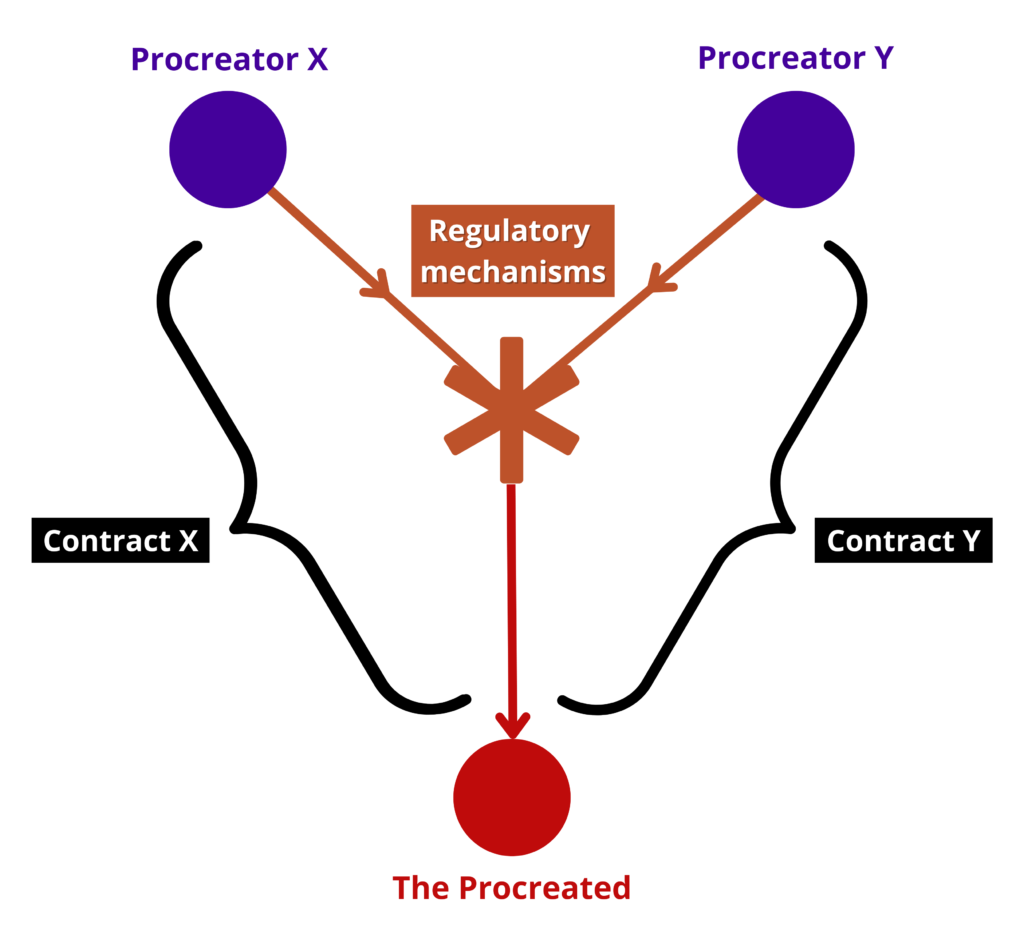
Figure 6: The Procreative Contract Framework, illustrating the contractual relationship that defines the responsibilities owed by parents, as the creators of new life, to the child they bring into existence by virtue of the parents’ unilateral decision-making authority, with the contract governed and enforced by the state as an intermediary.
2.2.1 Upholding the Duty to Provide a High-Quality Life and Promote Opportunities for the Realization of Full Human Potential
The effective implementation of the state’s role, grounded in the principle of societal responsibility to provide new life with lifelong basic security, a high quality of life, and equal opportunities for capability development as discussed in the preceding section, cannot be fully achieved without the complementary fulfillment of parental responsibility at the individual level in the creation of new life. This responsibility is essential for the formation of individuals who are capable and well-developed across all dimensions. Parents, as those who reproduce and bring new life into existence, are therefore expected to fulfill their roles comprehensively and with quality across all relevant dimensions. However, the realization of such responsibility may be neglected in societies that lack both a conceptual foundation of parental responsibility and governance mechanisms that encourage its fulfillment. The study of economics of law in this course invites reflection on the design of mechanisms that can enhance the likelihood that parents will fulfill their responsibilities in accordance with the principles of responsible life creation. Such mechanisms must be designed to operate in coordination with the state’s role, using the framework of costs and benefits to regulate incentives and behavior.
For the first dimension of responsibility—namely, providing children with a high quality of life—legal instruments can be employed as mechanisms to create incentive structures based on positive reinforcement, negative reinforcement, and punishment. Positive reinforcement involves providing benefits for the proper fulfillment of parental responsibilities, while negative reinforcement entails the removal of certain obligations or burdens when such responsibilities are adequately fulfilled. Punishment, on the other hand, increases the cost incurred by parents in cases where it can be demonstrated that they have failed to fulfill their responsibilities toward their children as required. These mechanisms can operate in an integrated manner to incentivize parents to perform their duties in raising and developing new life in a manner that ensures comprehensive quality. However, they must also function in conjunction with an effective monitoring and verification system.
For instance, under positive reinforcement mechanisms, parents who meet predefined caregiving standards may be granted additional welfare benefits, such as conditional cash transfers or other forms of conditional subsidies, whether monetary or non-monetary. These conditions may encompass physical health, mental health, life satisfaction, and other indicators reflecting a child’s overall well-being. Similarly, under negative reinforcement mechanisms, parents who meet such standards may be exempted from certain administrative requirements or mandatory programs, such as training sessions or other related obligations. They may also be granted tax reductions as compensation for the resources saved by the state as a result of their effective fulfillment of parental responsibilities. Together, these reinforcement mechanisms function by increasing the benefits associated with responsible parenting behavior. In addition, to increase the costs associated with non-compliance, robust punitive mechanisms are required. These should include both state-led monitoring and direct legal recourse initiated by the child. Specifically, the law may stipulate that if the state detects a failure in parental duties, proportionate sanctions must be imposed in accordance with the severity of the neglect. Furthermore, children should be granted the right to bring legal action against their parents if it can be proven that parental responsibilities were not adequately fulfilled, with compensation similarly calibrated in proportion to the harm caused.
The integration of economic reasoning and legal design, grounded in the principle of parental responsibility for ensuring a child’s quality of life, is therefore highly valuable in designing these various categories of incentive mechanisms in a manner that is appropriately balanced and proportionate.
For the second dimension of responsibility—namely, promoting a child’s ability to realize their full potential along their chosen developmental trajectory—the underlying premise is that parents, as those who bring the child into existence, also bear responsibility as mature individuals with life experience who are in the closest proximity to the child. As such, they are in a uniquely appropriate position to assist the child in discovering the most suitable path for their development and to actively support the child in fully advancing along that path. This responsibility can be operationalized through incentive mechanisms analogous to those described in the first dimension, namely a combination of positive reinforcement, negative reinforcement, and punitive mechanisms, enforced both through state-based monitoring and through legal recourse initiated by the child. In this context, the parental role in enabling the child to realize their full potential must be understood as a complementary function to the state’s allocation of resources. It requires close cooperation between educational institutions and the family institution, whereby parents actively participate in reinforcing, guiding, and expanding the developmental opportunities provided through the formal education system.
From the perspective of the economics of law, such an integrated framework ensures that incentive structures are aligned across institutional levels, enabling both formal and informal mechanisms to jointly support the optimization of human development outcomes within the Human Development Cycle framework.
However, the implementation of such an approach must take into account potential loopholes arising from the increased authority granted to the child, as well as the risks of incentive distortion and moral hazard. These issues can be addressed through carefully designed institutional arrangements and robust monitoring mechanisms, alongside the clear specification of criteria and conditions grounded in a well-defined understanding of the scope of parental responsibility. In this regard, principles from the economics of law concerning negligence and liability within tort law can be effectively applied. These principles emphasize the prevention of harm in advance, based on the notion of a duty of care assigned to the party who is in the lower-cost position to prevent the damage. This framework can therefore be used as an analytical basis for delineating the boundary between what falls within parental responsibility and what lies beyond it. Such an approach ultimately requires the establishment of clear, operational criteria and conditions to ensure that responsibility is assigned in a manner that is both precise and enforceable.
In summary, the economics of law framework can be applied to the design of incentive mechanisms that ensure parents fulfill their responsibilities in creating new life, particularly in providing children with a high quality of life and supporting their full developmental potential, as conceptualized under the procreative contract framework. This approach is grounded in the logic of contract design in general, which requires careful consideration of incentives and proportional compensation for the responsibilities owed between contracting parties, including the duty to prevent foreseeable errors or harms. In the special case of the procreative contract, however, the design must be adapted to the specific context of parental responsibility toward children, incorporating clearly defined criteria and conditions that reflect this relationship. Within this framework, the state plays a central coordinating role by operating as an intermediary that enforces incentive mechanisms designed to increase the costs associated with non-compliance or failure to fulfill parental responsibilities.
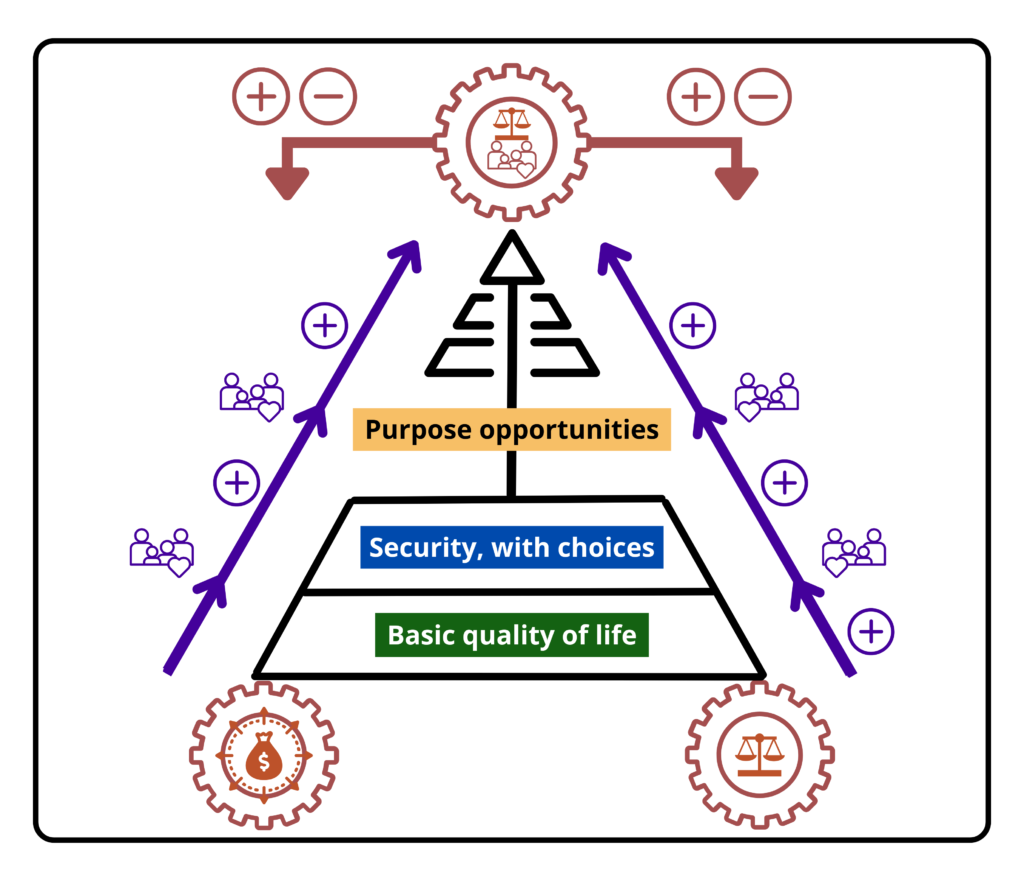
Figure 7: A diagram illustrating the direction of parental responsibility in extending the foundational conditions established by the state under societal responsibility, governed by state-administered incentive mechanisms that increase the costs of failing to meet parental obligations.
2.2.2 Organizing Family Relationships to Support and Nurture New Life
The family institution is the closest and earliest-forming social institution in human life. The presence or absence of a high-quality family structure—both in terms of nurturing socialization and psychological refuge during the earliest stages of life and throughout development—can have a profound and enduring impact on an individual’s identity, extending across their entire lifespan.16 When considering a family system that supports the creation of new life, its most basic components consist of at least two parents acting as guardians and caregivers, and a child (offspring) under their care. In addition, there may be additional members in the form of other children, whose relationships with one another form sibling relationships. These intra-family relationships—between parents and children, between parents themselves, and among siblings—constitute a fundamental core of the developmental environment of any individual life. Importantly, these relationships fall under the domain of parental responsibility from the earliest stages prior to birth, as well as throughout childhood, during which children lack full awareness or decision-making autonomy.
Accordingly, the management of these family relationships is a crucial responsibility of parents, who must ensure that such relationships are structured in a way that supports the healthy and high-quality development of the new life they have brought into existence.
To clarify these relational structures, both at the level of jointly responsible adults and at the level of relationships among children within the family, the following analysis adopts the framework of the economics of law to examine family relationship design in three dimensions: 1) The management of relationships between co-responsible parents for new life, 2) The management of parent–child relationships, and 3) The management of sibling relationships within the family system. The detailed discussion follows below.
–Establishing Responsibility in Partner Selection: Balancing a Two-Layer Contract–
As co-responsible parties who enter into a mutually binding relationship that results in the creation of new life, both the father and the mother bear a duty to ensure, prior to reproduction, that each party is adequately prepared to fulfill their respective parental responsibilities toward the child who will be brought into existence. This responsibility is intended to prevent new life from being exposed to familial conditions that may generate multiple levels of adverse impact on the child’s well-being, both during childhood and throughout later stages of life.
However, at present, there appears to be no effective mechanism that systematically enforces such pre-reproductive responsibility in the selection of a reproductive partner. To increase the likelihood that such responsibility is taken seriously, the economics of law framework can be applied to the design of incentive mechanisms that take into account costs, benefits, and the capacity for error prevention, grounded in the principle that individuals bear primary responsibility for creating conditions conducive to a high-quality life. This framework can be conceptualized as a two-layer contractual structure. The first layer governs the relationship between reproductive partners themselves, while the second governs the relationship between the reproducers and the child who is brought into existence.
A key challenge in this design is that the regulatory mechanism must function as a societal rule that increases the costs of irresponsible partner selection, while simultaneously ensuring that the state continues to fulfill its societal responsibility to support new life in accordance with the principles outlined in earlier sections, without neglecting children who are born into situations of parental inadequacy. In cases where one or both parents fail in their caregiving responsibilities due to irresponsible reproductive partner selection, the economics of law provides a particularly useful analytical framework. Its emphasis on multi-layered incentive structures enables the design of mechanisms capable of addressing both layers of contractual relationships simultaneously, while maintaining balance and accounting for potential loopholes and unintended consequences.
——Two-Layer Contract: Layer 1 — Addressing Breaches in the Internal Contract Between Reproductive Partners
Within the relationship between reproductive partners themselves, if one party is found to be deficient in or abandons their caregiving responsibilities within the family, the other party must be able to demonstrate such breach in order to activate legally prescribed sanctions that are proportionate to the degree of fault and responsibility involved. At a minimum, the legal system must require the party who abandons their duties to provide compensation directly to the child. This compensation should cover not only the baseline level of support that would have been provided had the caregiving role been properly fulfilled within the family, but also additional reparations for the absence itself, which results in the child experiencing an incomplete family structure due to the loss of a close parental caregiver.
In terms of punitive measures, formal criminal sanctions may not always be necessary if full and proportionate compensation has already been made directly to the child. However, additional corrective mechanisms may still be introduced at the societal level, such as imposing higher tax burdens on individuals who have failed in their caregiving responsibilities, given that such failures increase the operational burden on social institutions and public systems.
Beyond economic measures, social sanction mechanisms may also be employed, including the establishment of a verifiable record indicating instances of parental neglect or failure to fulfill caregiving duties, ensuring that such behavior is not entirely without traceable accountability. This is intended to prevent complete social impunity in cases where individuals merely offset harm through financial compensation alone.
Together, these mechanisms function to increase the cost of parental non-performance both ex ante—by influencing incentives prior to reproductive decision-making—and ex post—by ensuring proportionate compensation and accountability after the breach has occurred.
——Two-Layer Contract: Layer 2 — Creating Responsibility in the Selection of a Reproductive Partner
However, in line with the economics of law emphasis on institutional loopholes and incentive distortions, the mechanisms described above must be carefully designed to avoid unintended moral hazard effects. A system that assigns burdens primarily to the party found to be at fault may inadvertently reduce incentives for careful selection of a reproductive partner. This is because individuals may engage in less precautionary behavior if they expect that ex post compensatory mechanisms will absorb the consequences of relational failure. According to the concept of moral hazard, individuals tend to reduce their level of precaution when they are insulated from the full cost of potential risks.
Accordingly, it is necessary to design an additional incentive layer that increases responsibility in the selection of reproductive partners, operating in parallel with the mechanisms that assign responsibility for caregiving failures within the family. In this regard, additional costs may be imposed on individuals who cannot demonstrate that they exercised sufficient care and due diligence in selecting a reproductive partner prior to deciding to have children, particularly in cases where subsequent caregiving failure by one party occurs.
While the state must continue to ensure the highest level of protection for the child as the rights-bearing subject—through the societal responsibility mechanisms outlined in earlier sections—there should nonetheless be a distinction in the allocation of burdens between cases in which the loss of a co-parent occurs despite maximal prudence in partner selection, and cases in which insufficient care was exercised in selecting a reproductive partner prior to reproduction. This differentiation may be implemented through mechanisms such as unequal tax reductions, additional taxation to compensate for social burden, or heightened scrutiny of childcare performance and of the introduction of new partners into the family system. Meanwhile, compensation paid by the party who abandoned their responsibilities must be allocated directly to the child, supported by technological and institutional mechanisms that ensure proper monitoring and enforcement.
Collectively, these measures aim to establish incentive structures that increase responsibility in reproductive partner selection prior to the decision to have children, thereby reducing the likelihood that new life is born into an incomplete or dysfunctional family environment due to avoidable negligence. At the same time, they ensure that in cases where such outcomes do occur, the harm to the child is minimized to the greatest extent possible, in accordance with the principle of duty of care within the framework of the economics of law.
–Establishing Monitoring Mechanisms to Prevent Negative Impacts on Children from Intra-Family Relationships–
Nevertheless, even when incentive mechanisms are applied simultaneously to both the party that abandons responsibility and the party that fails to exercise sufficient care in selecting a reproductive partner, an additional risk must be carefully considered. One critical unintended consequence is the possibility that parents may choose to remain in dysfunctional or harmful relationships solely in order to avoid the costs imposed by such mechanisms.
Accordingly, it becomes necessary to introduce monitoring systems designed to prevent such outcomes. At a foundational level, educational institutions may serve as an initial point of oversight through structured engagement with children. In addition to their primary role in providing education and developing human capital, such institutions may also contribute to safeguarding children’s well-being by observing and assessing psychological and behavioral indicators that may signal distress or dysfunction within the family environment. This can be operationalized through systematic observation and psychological screening processes aimed at identifying early signs of family-related anomalies. Such assessments may be conducted on a regular basis, for example each academic term, and may extend beyond parent–child relationships to include sibling relationships and broader intra-family dynamics. In this way, educational institutions function as a basic monitoring layer that complements incentive-based legal mechanisms, ensuring that parental responsibility is maintained in a manner conducive to both the physical and psychological well-being of children.
Where deficiencies or harmful conditions are detected, proportionate sanctions may be applied in accordance with the severity of the situation. In this context, the principles of the economics of law may be used to design sanctioning structures based on a comparison between expected benefits and expected costs. The “benefit” in such cases may include gains derived from neglecting parental duties or from exploiting intra-family power imbalances to create conditions advantageous to the actor. The expected cost, by contrast, is determined by the probability of detection—shaped by the effectiveness of monitoring and reporting mechanisms—multiplied by the severity of sanctions imposed. The objective of this design is to ensure that the expected cost outweighs the expected benefit, thereby reducing incentives for behaviors that undermine family relationships or discourage the cultivation of positive, supportive environments for children. In this way, the economics of law provides a highly effective framework for designing complex incentive and monitoring systems, particularly in sensitive domains such as intra-family relationships, where both formal enforcement and psychological well-being must be carefully balanced.
📍 In summary, to promote a family environment conducive to both the physical and psychological well-being of new life from its earliest stages through to full development, reproductive actors must bear responsibility for maintaining relationships within the family across multiple levels. This responsibility begins with the selection of a reproductive partner prior to the decision to have children, extends through the conduct of the relationship between parents, and continues into the cultivation of positive relationships with children and among siblings after new life has been brought into existence, throughout the entire caregiving period (as illustrated in Figure 8).
The application of the economics of law framework to the question of intra-family relational responsibility provides a structured approach to designing incentive mechanisms that encourage such responsibility. It does so by identifying and addressing potential loopholes arising from the complex interdependence of different parties and relational dimensions within the family system. Accordingly, it is necessary to ensure the coordinated operation of incentive-based mechanisms that regulate the responsibilities of each reproductive party across different relational levels, in conjunction with societal monitoring systems capable of detecting failures in caregiving responsibilities that result in harm to children. Central to this framework is the prioritization of both the physical and psychological well-being of children within the family context.
The objective is to establish a comprehensive and highly effective system of incentives and governance mechanisms that operates as efficiently as possible in promoting responsible behavior. Ultimately, this system is grounded in the principle that parents bear responsibility for managing family relationships in ways that support the well-being of all children throughout their development.
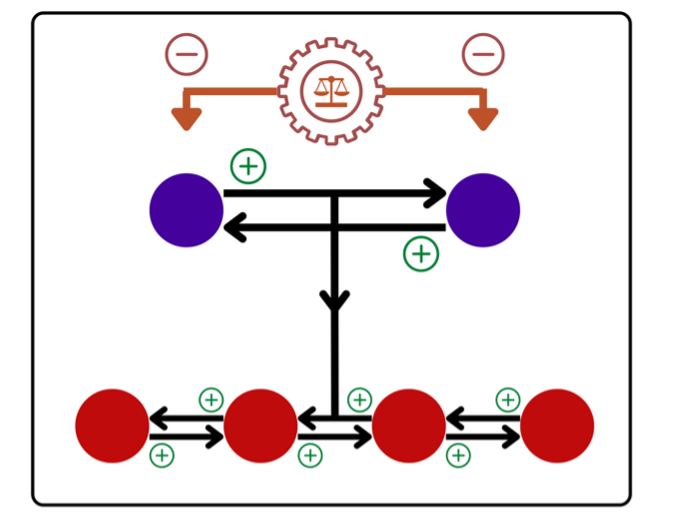
Figure 8: A diagram illustrating the direction of positive relational dynamics within the family, representing the responsibilities of parents under the procreative contract framework, governed through incentive mechanisms administered by the state as an intermediary.
❣️ Summary 2.2: Individual-Level Responsibility in Creating Life
The integration of economic principles concerning incentive structures driven by costs and benefits with legal instruments that emphasize responsibility is highly valuable in designing mechanisms that transform the relationship between procreators and the child from an informal, contingent arrangement into a structured contractual one. Within this framework, parents—who act as decision-makers with agency and bear comparatively lower preventive costs in avoiding the creation of low-quality life—are expected to assume full responsibility toward the child, who has no capacity to consent or choose.
The overarching aim is to minimize the likelihood of new lives being born into conditions of persistently low quality of life, to the greatest extent possible.
This contractual relationship between procreators and the life they bring into existence must operate through the coordinated functioning of state mechanisms and parental responsibility, under a broader integration of societal-level and individual-level accountability. Particular emphasis is placed on the role of parents in shaping the child’s life outcomes, encompassing the creation of a supportive family environment, the provision of adequate quality of life, and the active promotion of the child’s full developmental potential. Such responsibilities function as a complement to the state’s allocation of resources, which serves as the foundational structure under the Human Development Cycle framework. When incentive mechanisms and regulatory systems are properly designed with careful attention to potential loopholes, grounded in the principle of individual responsibility in procreative action, they can collectively give rise to the Human Development Cycle—serving as the foundational vision of the present proposal.
💫 3. Conclusion: The Human Development Contractual System — Regulating Responsibility Toward Lifelong Quality
The condition in which many individuals are born into a state of inherently low life quality—and, more troublingly, are positioned to transmit such deprivation across generations despite being embedded in environments that are themselves structurally unaccommodating—has often been regarded as a kind of inevitability. It is frequently interpreted through the notion of “karma,” not in the metaphysical sense of past-life causation (past life karma), which is empirically unverifiable, but rather as the accumulated consequence of reproductive actions carried out without effective governance over the intergenerational transmission of disadvantage. n this sense, it becomes a self-perpetuating cycle—a form of samsaric repetition—driven by reproductive instinct that is conventionally treated as natural and unproblematic. This normalization has resulted in a lack of sustained critical inquiry into how such cycles of reproduced deprivation might be systematically disrupted. Accordingly, the central challenge for humanity—both in the present and in the future—is to develop an effective and efficient framework capable of breaking this recursive production of low-quality life outcomes across generations.
By applying the framework of economics of law, which focuses on designing rules and institutional arrangements to structure responsibility while accounting for a wide range of interacting variables, this article argues that such a human-level problem can be addressed through the establishment of a balanced system that governs the creation of new life in a manner aligned with normative expectations of quality, responsibility, and sustainability.
In this regard, the proposal is structured across two interdependent levels that must operate in coordination:
1) Societal-level responsibility in the allocation and redistribution of resources, alongside the establishment of legal and institutional rules that prevent interpersonal harm, thereby ensuring a baseline of security, stability, and opportunity. This forms the structural foundation that enables individuals to attain adequate living conditions and provides the enabling environment for full human potential development, thereby sustaining an ongoing cycle of collective advancement.
2) Individual-level responsibility of procreative agents (parents) in the allocation of resources and the cultivation of intra-family relationships. This functions as the mechanism through which societal resources are transmitted to the newly created life, while simultaneously providing the close, continuous formation and reinforcement necessary for personal development and the realization of individual potential.
These two dimensions operate together within a dual contractual system: a social contract at the macro level and a procreative contract at the micro level. Together, they are designed to support and sustain an open-ended trajectory of human development (see Figure 9).
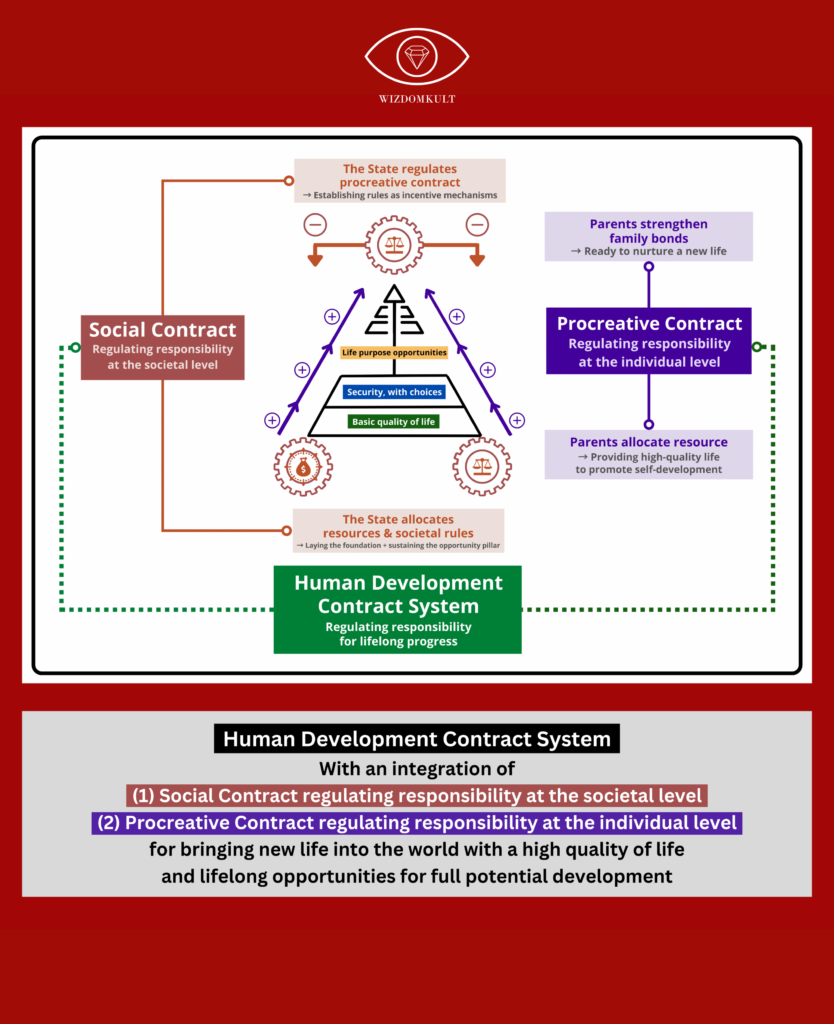
Figure 9: Conceptual Diagram of the Human Development Contract System. An integrated framework composed of: (1) the social contract, which governs societal-level responsibility in resource allocation and rule-setting; and (2) the procreative contract, which governs individual-level responsibility in the creation of new life, aimed at ensuring that new lives are brought into existence under conditions that maximize the likelihood of a life of quality, along with sustained opportunities for full lifelong human development.
To ensure the effective functioning of the Human Development Contract System, its implementation must begin with two coordinated processes across different levels. At the societal level, the formation of a social contract requires enabling members of society to clearly recognize the shared, long-term benefits that arise from collective arrangements. This perception of mutual gain is essential for establishing consensus around the redistribution of resources and the structuring of legal and institutional rules that govern social life. At the individual level, the establishment of a procreative contract must be driven by the deliberate design of incentive mechanisms that regulate responsibility. Here, law functions as an instrument of both reward and sanction: it increases benefits for those who fulfill their responsibilities while raising the costs associated with negligence or failure, taking into account individuals’ capacities and their relative ability to prevent harm. The consequence of such a system is a structural shift in the act of procreation itself. What was previously an unregulated act with minimal accountability becomes an activity that requires substantive investment and responsibility in both the creation and upbringing of life, aligned with defined standards of quality and developmental potential.
Although some may object that increasing costs would reduce the incentive to reproduce, leading to a decline in population and thereby undermining the long-term sustainability of human demographic structures, and further argue that reproduction is a natural act grounded in human instinct, it must nevertheless be considered that allowing individuals to be born into persistently low-quality life conditions—as is commonly observed today—may indicate that an unregulated reproductive regime is not the most efficient arrangement for humanity. In this sense, such a system may be incompatible with the objective of ensuring high quality of life and the unbounded developmental potential of human beings. From this perspective, the central issue is not merely the quantity of population, but the quality of life trajectories produced through the prevailing reproductive regime.
Therefore, it is time for irresponsible procreation to be recognized as a solvable problem. As proposed in this discussion, this can be addressed through the application of economics of law to the allocation of responsibility among individuals. At the same time, it is emphasized that in order for such a system to function with maximum rigor, efficiency, and fairness for all parties, it is necessary to take into account all relevant key variables within the complex web of relationships—relationships that are shaped by diverse and effectively unbounded human incentives.
Birth entails the emergence of existence that is inevitably confronted with conditions of suffering. In order to reduce the likelihood of being brought into existence within contexts shaped by factors that generate such suffering, there is a need to steer society toward a structured allocation of responsibility among human beings, grounded in principles of procreative ethics. This can be initiated through an in-depth engagement with economics of law as a foundational framework, in conjunction with other relevant disciplines, in order to design a Human Development Contract System capable of achieving a balanced coordination of responsibilities. Such a system would aim to integrate and align societal and individual obligations, thereby shaping a reproductive and developmental regime that is both highly efficient and maximally just. Only through such an integrated approach can a truly sustainable framework for humanity be realized.
Footnotes
- Further discussion of philosophical issues related to the question of self-determination in human existence can be found, for example, in the podcast Owls at Dawn, episode ‘Job: Angry at God for the Crime of Being’ (2022), or through reflections on similar themes in the film A Serious Man (2009), discussed in the podcast Cafe Theorists, episode ‘A Serious Man: คนจะซวย ช่วยลูกช้างด้วย’ (2020). ↩︎
- For further discussion of the relationship between inequality and the deprivation of opportunities for human development, see United Nations Development Programme. (2005). ‘Inequality and Human Development’, (Chapter 2). In Human Development Report 2005: International Co-operation at a Crossroads – Aid, Trade and Security in an Unequal World. ↩︎
- Maslow, A. H. (1943). ‘A theory of human motivation’. Psychological Review, 50(4): 370–396. ↩︎
- For examples of the evolving delineation of societal and individual responsibilities toward new life through legal development, see Eekelaar, J. (1991). ‘Parental responsibility: State of nature or nature of the state?’. Journal of Social Welfare and Family Law, 13(1): 37-50. ↩︎
- Cudd, A. and Eftekhari, S. (Ed.) (2021). ‘Contractarianism’. Stanford Encyclopedia of Philosophy. (Accessed 15 May 2022). ↩︎
- See more at ษัษฐรัมย์ ธรรมบุษดี. (2564). บทวิเคราะห์พัฒนาการรัฐสวัสดิการและการต่อสู้: เศรษฐกิจการเมืองกลุ่มประเทศรัฐสวัสดิการ. กรุงเทพฯ: เครือข่ายรัฐสวัสดิการเพื่อความเท่าเทียมและเป็นธรรม (We Fair).; Kanchoochat, V. (2019). ‘Social Protection and Welfare State Building: Fast and Slow Lessons’. Social Development Working Papers, 2019/07, UN ESCAP. ↩︎
- Adapted and modified from the public goods game framework in experimental economics. ↩︎
- See, for example, Dyck, A. J. (1973). ‘Procreative Rights and Population Policy’. The Hastings Center Studies, 1(1): 74-82.; Conly. S. (2005). ‘The Right to Procreation: Merits and Limits’. Philosophical Quarterly, 42(2): 105-115. ↩︎
- See, for example, Ryan, H. (1990). ‘The argument for unlimited procreative liberty: a feminist critique’. The Hastings Center Report, 20(4): 6-12. ↩︎
- See, for example, Steinbock, B. (1994). ‘Reproductive rights and responsibilities’. The Hastings Center Report, 24(3): 15-16.; Robertson, J. A. (1983). ‘Procreative Liberty and the Control of Conception, Pregnancy, and Childbirth’. Virginia Law Review, 69(3): 405-464. ↩︎
- For example, Archard, D. and Benatar, D. (Ed.). (2011). Procreation and Parenthood: The Ethics of Bearing and Rearing Children. Oxford: Oxford University Press. For a review of the volume, see Richards, N. (2012). ‘Book Review: Procreation and Parenthood: The Ethics of Bearing and Rearing Children, by David Archard and David Benatar (eds).’ Mind, 121(483): 773-776. (doi.org/10.1093/mind/fzs098). See also Zalta, E. N. (Ed.) (2021). ‘Parenthood and Procreation’. Stanford Encyclopedia of Philosophy. (Accessed 17 May 2022). ↩︎
- For an overview of how parental responsibilities are defined by the state, see Eekelaar (1991) (as listed in Footnote 4), for example. For discussions of the state’s role in responding to cases of child abuse or neglect, see Richards, N. The Ethics of Parenthood. New York: Oxford University Press. (See Chapter 4: ‘Abuse, Neglect, and the State’: 82-111), for example. For further discussion of parental responsibility for crimes committed by their children, see the references cited in Footnote 15. ↩︎
- For further discussion, see the section ‘Anti-natalism’ in Zalta, E. N. (Ed.) (2021). ‘Parenthood and Procreation’. Stanford Encyclopedia of Philosophy. (Accessed 17 May 2022). ↩︎
- For the responsibilities of parents who are not the child’s biological progenitors, including those arising in same-sex relationships where one parent is not the biological progenitor, although such relationships may similarly involve the provision of care, upbringing, and developmental support, they do not constitute the primary focus of this article. Nevertheless, the proposed framework of parental responsibility can likewise be adapted to these contexts by emphasizing the responsibilities of those who undertake the role of caring for and raising a child. ↩︎
- For critiques of state intervention in imposing parental responsibility for crimes committed by their children, particularly in contexts where the state has failed to fulfill its societal responsibility to provide a secure and high-quality foundation for new lives, see Goldson, B. and Jamieson, J. (2002). ‘Youth Crime, the ‘Parenting Deficit’ and State Intervention: A Contextual Critique’. In Youth Justice, 2(2): 82-99. และ Armond, R. (2009). ‘Parental Responsibility for Youth Offending’. (p.69-83). In Reforming Juvenile Justice. Junger-Tas, J. and Dunkel, F. (Ed.). New York: Springer. ↩︎
- See, for example, Miller, A. (1980). For Your Own Good: Hidden Cruelty in Child-Rearing and the Roots of Violence. New York: Farar, Straus, Giroux.; Anna Freud National Centre for Children and Families. (2020). ‘Childhood Trauma and the Brain’. Youtube. (Accessed 25 May 2022). ↩︎
Author’s Note to the Original Edition
This article was originally prepared for submission as the final paper for the course Economics of Law during the second semester of the 2021 academic year. The course was taught by Assistant Professor Dr. Peerapat Chokesuwattanaskul as part of the Master of Arts Program in Political Economy, Faculty of Economics, Chulalongkorn University.